
Mogadishu/Jerusalem — Israel’s decision to become the first nation to formally recognize Somaliland as an independent and sovereign state has provoked swift and sharp international condemnation particularly from the African Union (AU), Turkey, and Somalia, while the United States signaled caution under President Donald Trump.
On December 26, Israeli Prime Minister Benjamin Netanyahu announced the recognition during a video call with Somaliland President Abdirahman Mohamed Abdullahi signing a joint declaration establishing full diplomatic relations. Netanyahu described the move as “in the spirit of the Abraham Accords,” pledging immediate cooperation in agriculture, health, technology, and economy. Somaliland, which unilaterally declared independence from Somalia in 1991 following a brutal civil war, hailed it as a “historic moment” and expressed intent to join the Abraham Accords framework.
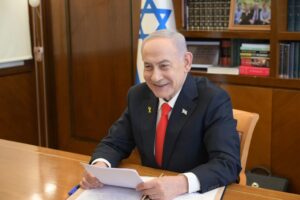
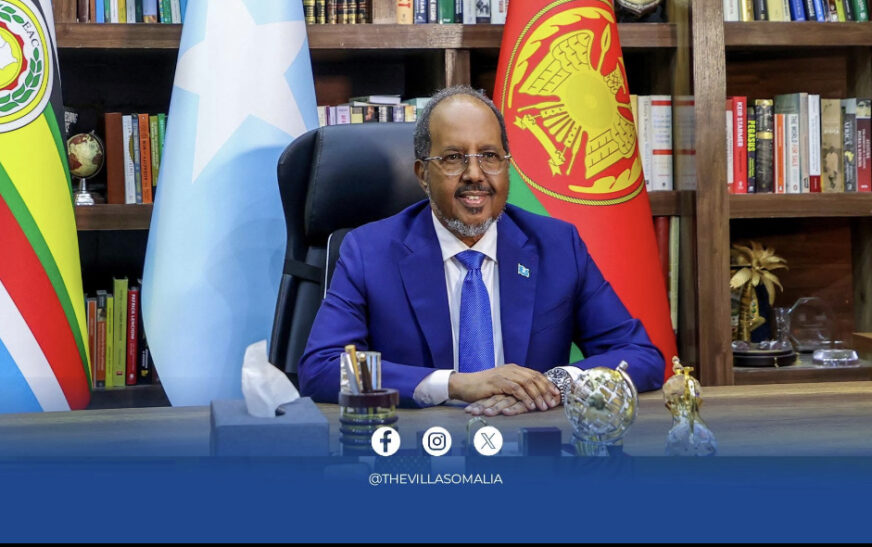
The Federal Republic of Somalia responded with outrage, issuing a press release on the same day. It categorically rejected Israel’s action as a “deliberate attack” on its sovereignty and an “unlawful step,” emphasizing that Somaliland remains an “integral, inseparable, and inalienable” part of Somalia. The statement invoked the UN Charter and AU Constitutive Act, warning that such recognition undermines regional stability, exacerbates tensions in the Horn of Africa, Red Sea, and Gulf of Aden and risks empowering terrorist groups like Al-Shabaab and ISIS. Somalia vowed to pursue all diplomatic, political and legal measures to defend its unity and called on citizens to remain vigilant.
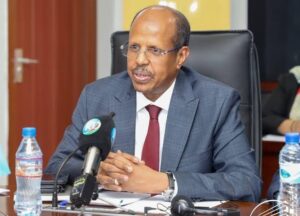
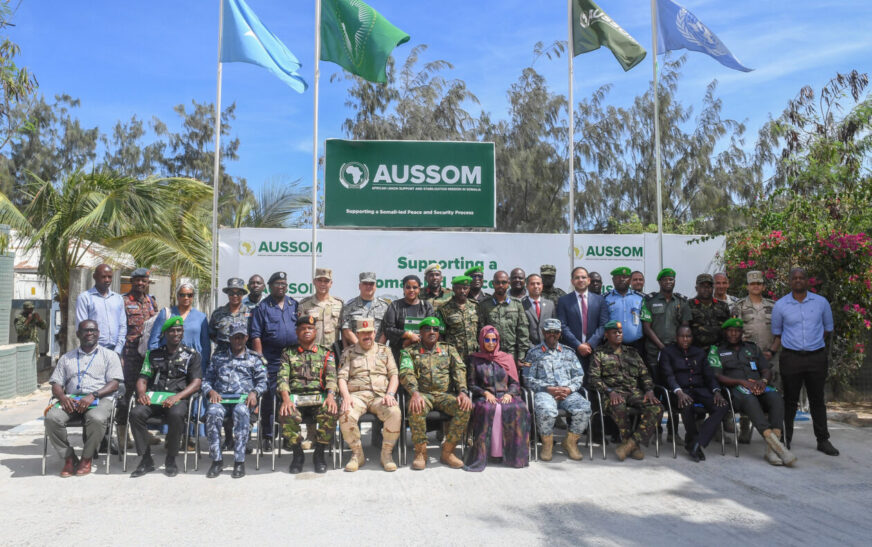
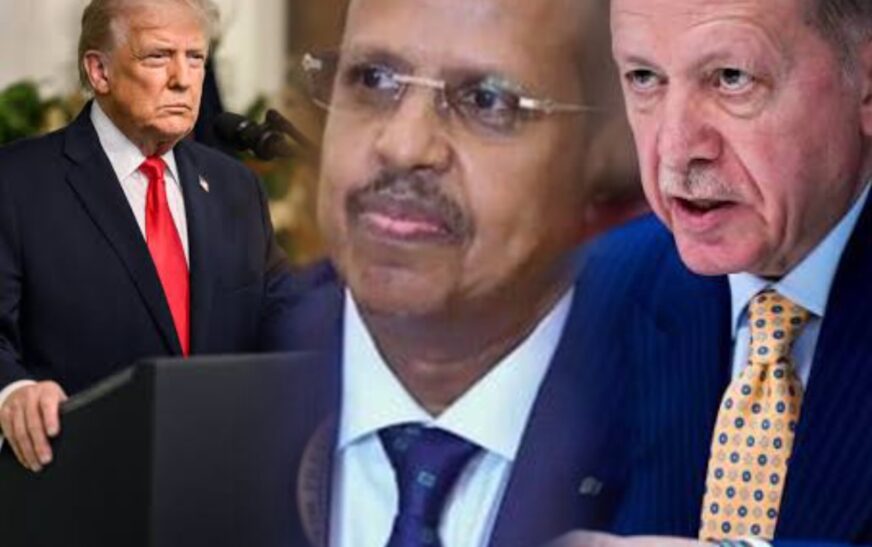
The African Union Commission Chairperson Mahmoud Ali Youssouf, echoed this stance, expressing “deep concern” and firmly rejecting any recognition of Somaliland. He reaffirmed the AU’s commitment to the intangibility of colonial borders and Somalia’s territorial integrity cautioning that the move sets a “dangerous precedent” with continent-wide implications for peace and stability.
Turkey, a key ally of Somalia, condemned the recognition as “yet another example” of the Netanyahu government’s “unlawful actions” aimed at regional and global instability. Foreign Ministry spokesperson Öncü Keçeli labeled it an “explicit intervention” in Somalia’s internal affairs, tied to Israel’s “expansionist policies” and efforts to block Palestinian statehood recognition. Türkiye pledged continued support for Somalia’s territorial integrity and peace in the Horn of Africa.
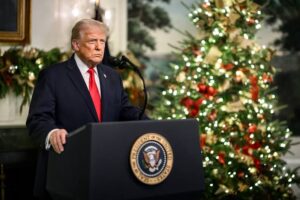
In the United States, President Donald Trump distanced himself from immediate alignment with Israel. In an interview with the New York Post, he stated he had no plans to follow suit promptly, saying the matter was “under study.” Dismissing Somaliland’s strategic port offer on the Gulf of Aden, Trump remarked, “Big deal,” and questioned, “Does anyone know what Somaliland is, really?”
Regional Somali entities, including Galmudug State, and former President Mohamed Abdullahi Farmaajo also denounced the move as a violation of international law. The recognition highlights Somaliland’s strategic position amid Red Sea tensions but risks escalating disputes in a volatile region already grappling with terrorism and geopolitical rivalries.
Analysts suggest Israel’s step bolsters its alliances in the Muslim world while providing Somaliland a diplomatic breakthrough after decades of isolation. However, widespread opposition emphasizes the enduring international consensus on Somalia’s unity, potentially isolating Israel further in African and Arab forums.