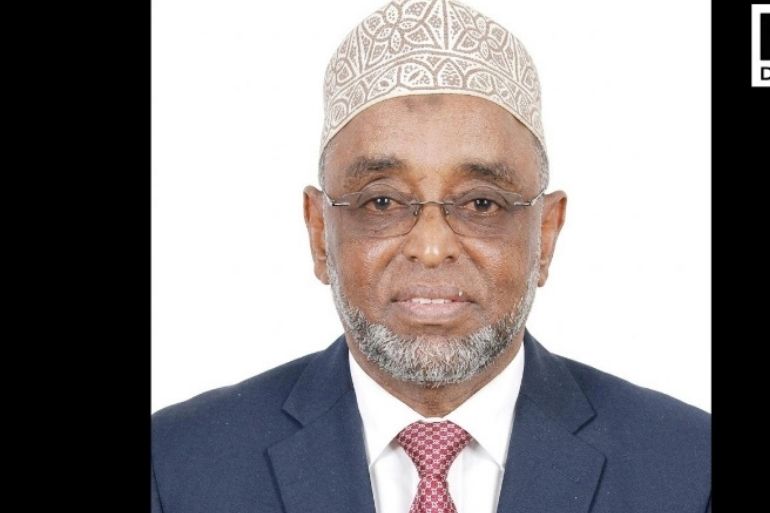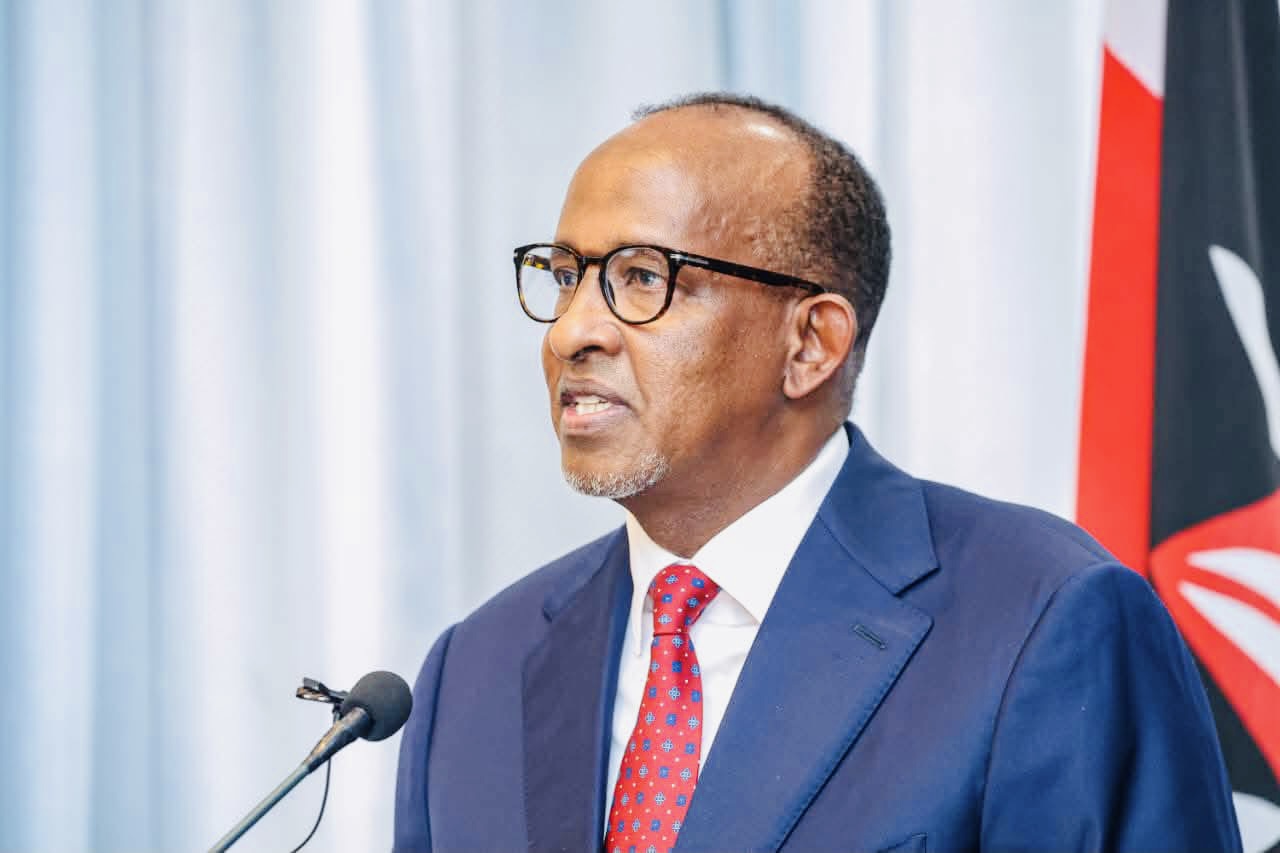


NAIROBI— In a dramatic twist to the upcoming Banisa Constituency parliamentary by-election, independent challenger Mohamedin Mohamed has filed a high-stakes petition in court, accusing United Democratic Alliance (UDA) candidate Ahmed Maalim Hassan—also known as Barre—of harboring dual British-Kenyan citizenship and possessing two fraudulent national IDs. The suit, lodged just days after nominations closed on October 9, seeks to disqualify Hassan, alleging he misled the Independent Electoral and Boundaries Commission (IEBC) to secure his candidacy.
Mohamed, a local activist, argues that Hassan’s nomination violates core constitutional provisions barring those with foreign allegiances from public office. “Hassan owes allegiance to a foreign state, making him ineligible,” the petition states, citing Article 99(2)(a) of the Constitution, which disqualifies parliamentary hopefuls with dual loyalties. It further invokes Article 78(1), mandating Kenyan citizenship for state roles, and Article 78(2), prohibiting dual citizenship for such officers.
At the heart of the allegations is Hassan’s alleged possession of conflicting identity documents. The petition reveals a British passport (No. 532110112) under the name Ali Barre Sheto, listing his birth as January 1, 1976, and origin in Qoryoley, Somalia—123 km southwest of Mogadishu. In stark contrast, a Kenyan passport (No. A184885), issued in 2012 and expired in 2022, identifies him as Ahmed Maalim Hassan, born April 4, 1974, in Mandera, tied to an older ID (No. 11550493).
Compounding the claims, Mohamed accuses Hassan of holding a second Kenyan ID (No. 34694672, Serial No. 240907710), purportedly issued recently and listing Mandera East as birthplace. “Kenyan ID numbers are sequential, based on birth date and application timing,” the suit contends. “It’s statistically impossible for a 1974-born individual to have a 34-million-range number, suggesting fraud to mask his foreign ties.”
The petitioner alleges Hassan deliberately concealed his dual status from the IEBC and voters, engaging in “identity fraud” that erodes electoral integrity. “By pledging allegiance to two states, he undermines Article 1’s principle of undivided popular sovereignty,” it adds, referencing Sections 22(1)(a) and 24 of the Elections Act, which demand full constitutional compliance for candidates.
Hassan’s camp has yet to respond publicly, but the case, filed against the IEBC and returning officer, could delay the by-election scheduled for late November. Legal experts warn of broader implications for Kenya’s vetting processes amid rising scrutiny on diaspora politicians. If upheld, the ruling might trigger a fresh nomination round, reshaping the race in the volatile Mandera border constituency.
As proceedings unfold in the High Court, the saga highlights persistent debates over dual citizenship in Kenyan politics, where expatriate skills are prized yet loyalties fiercely guarded. Mohamed’s bold move underscores a zero-tolerance stance: “The people’s trust cannot be gambled on shadows.”