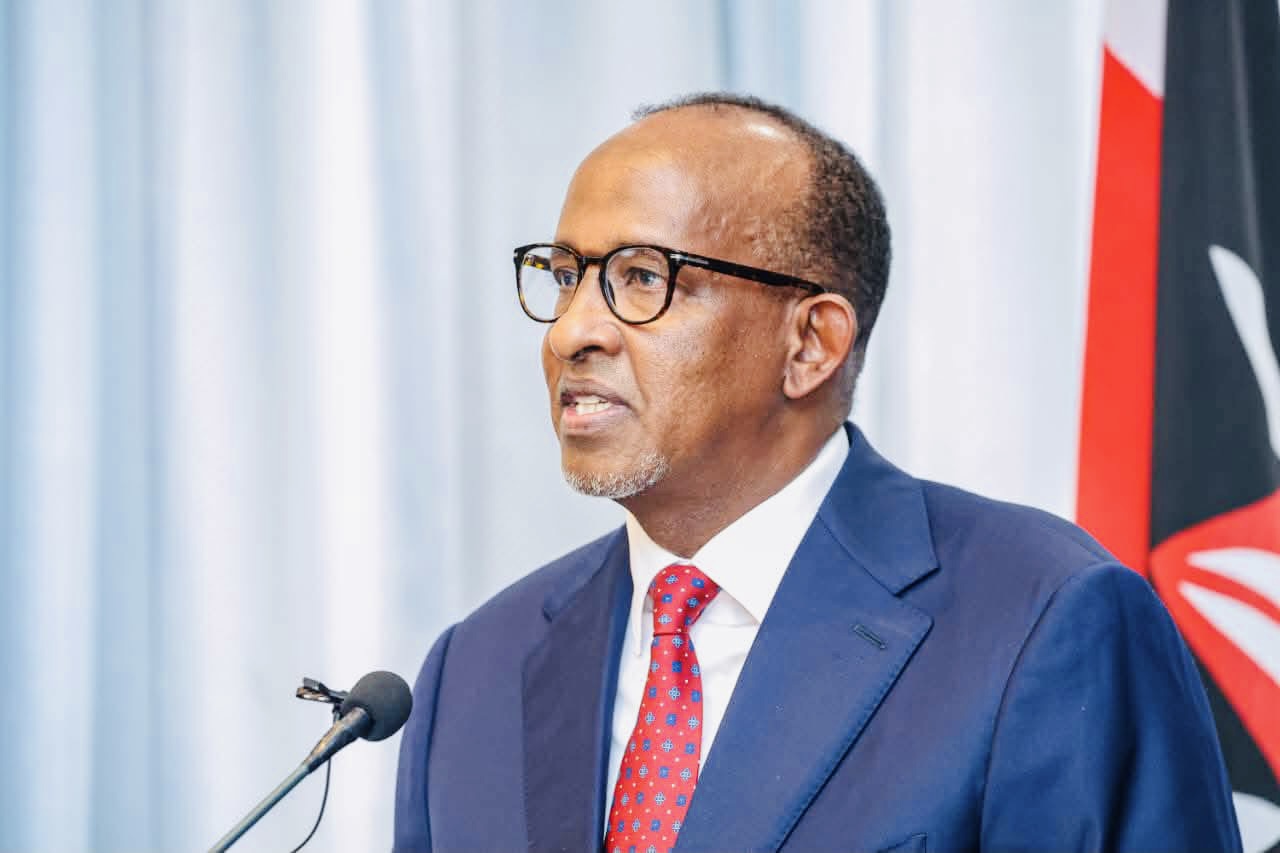

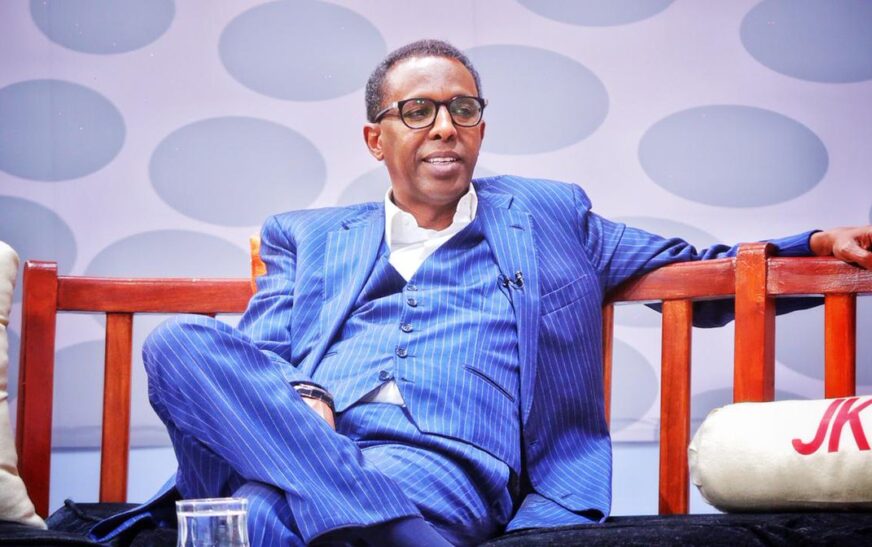
NAIROBI – Senior Counsel Ahmednasir Abdullahi has called on the international community to withdraw support for Somalia’s reconstruction and security efforts, accusing President Hassan Sheikh Mohamud of prioritizing personal enrichment over nation-building during his time in office.
In a post on X, the prominent Kenyan lawyer said it was “the right time” for donors and troop-contributing countries to “cut the chase and close the door on the face of Somalia.” He argued that years of external assistance have failed to produce lasting institutions because of the conduct of Somali leaders.
Abdullahi specifically targeted Mohamud, stating that if the president “spent as much time in stealing from his country/people in rebuilding his country and its institutions,” the current security summit in Kampala would not have been necessary. The 2nd Extraordinary Summit of Heads of State and Government of the troop-contributing countries to the African Union Stabilisation Mission in Somalia (AUSSOM) is underway in the Ugandan capital to address ongoing security challenges in the Horn of Africa nation.
“The international community and Somalia’s donors knew all along that Hassan Sheikh was looting the country dry and put zero time and effort in rebuilding its institutions,” Abdullahi wrote. “They knew that his presidency was a lost cause. Because he was preoccupied with personal and family enrichment, Hassan Sheikh simply had no time for Somalia and her impoverished people.”
It’s right time for the International community and especially both those financing and those providing troops to Somalia’s reconstruction and rebuilding efforts to cut the chase and close the door on the face of Somalia. If Somalia’s former President @HassanSMohamud spent as…
— Ahmednasir Abdullahi SC (@ahmednasirlaw) July 31, 2026
He claimed that with Mohamud’s mandate now expired and little tangible progress to show beyond personal wealth accumulation, the former leader was seeking continued foreign military protection for himself and his family in Villa Somalia. Abdullahi argued that failed states can only recover when local leaders value external sacrifices and actively work to stabilize their countries.
Pointing to 36 years of state collapse since the fall of the Siad Barre regime, the lawyer said Somali elites prefer the status quo. “They want to lord over Somalia as expatriates while their wives and children are safe in America, Europe (probably on social welfare) or Nairobi all paid for by benevolent donors,” he stated.
Abdullahi concluded that the world should “hand Somalia back to the thieving Hassan Sheikh and his thieving associates,” adding that the international community “can’t babysit Somalia for 40 years. It shouldn’t.”
The remarks come amid ongoing debates over the future of African Union and partner forces in Somalia, which have supported successive governments against al-Shabaab and other threats for nearly two decades. Somalia continues to face significant governance, security, and humanitarian challenges despite substantial foreign assistance.
Abdullahi’s comments reflect long-standing frustrations among some regional observers about the pace of progress in Somalia and the accountability of its political class. Supporters of continued engagement, however, argue that abrupt withdrawal risks further instability that could spill across borders and reverse hard-won gains against extremism.
The Kampala summit is expected to review the mandate and sustainability of AUSSOM as regional leaders weigh the costs and benefits of prolonged involvement. No official response from Somali authorities or international partners to Abdullahi’s statement was not available at the time of publishing this article.