
NAIROBI—Northern Kenya is set to experience continued hot and dry conditions this week, with daytime temperatures expected to exceed 30°C, the Kenya Meteorological Department (KMD) reports.
While most parts of the country will enjoy sunny skies, the arid and semi-arid regions of the North are particularly vulnerable to the impacts of prolonged dryness.
The outlook, covering 9th to 15th December 2025, signals conditions that could affect livestock, water availability, and daily life across the region’s arid and semi-arid counties.
Metro reports that temperatures exceeding 30°C will dominate much of North-eastern and North-western Kenya.
It reinforces an already intense heat pattern that residents have been grappling with for weeks.
Areas in Garissa, Wajir, Mandera, Marsabit and Turkana will bear the brunt of the soaring daytime temperatures.
While most of the country will remain sunny and dry, the forecast notes that light to moderate rainfall may occur in isolated parts of the North-eastern lowlands.
According to the weather forecast night-time conditions will paint a contrasting picture in some high-altitude zones.
Parts of the North and Central Rift Valley, including areas bordering Mt. Kenya and Mt. Kilimanjaro may experience chilly nights with temperatures dropping below 10°C.
Though outside core pastoral regions, the fluctuations often affect livestock movement and grazing patterns that influence the broader northern ecosystem.
The weatherman says the spatial distribution of expected rainfall remains patchy, with a clearer breakdown in the forecast maps shared by KMD.
Residents have been urged to continue monitoring updates through official platforms, including the department’s website, WhatsApp channel, and FASTA-Ken mobile portal.
Stakeholders are closely watching the situation, particularly for pastoralist communities that remain highly climate-sensitive.
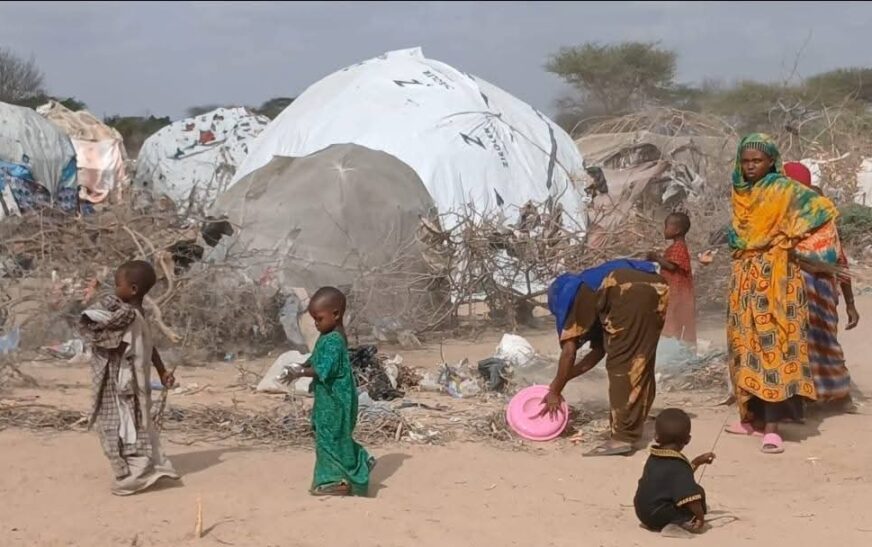
Northern Kenya is facing severe drought as high temperatures and minimal rainfall strain water sources and pastures.
The situation threatens livelihoods and food security in arid counties like Turkana, Wajir, Mandera, and Marsabit.