
NAIROBI— As the country prepares for the onset of the October-November-December short rains, meteorologists warn of escalating heavy rainfall that could change the arid North-Eastern landscapes into flood-prone zones starting October 30. This marks an important shift for the region, long accustomed to prolonged droughts, where the sudden deluge promises both relief for parched farmlands and risks of devastating flash floods.
The Kenya Meteorological Department (KMD) forecasts that rains currently battering the Lake Victoria Basin, Rift Valley, and western Highlands will intensify significantly , exceeding 30mm in 24 hours by Thursday. These downpours are already spreading eastward, engulfing Nairobi’s bustling Highlands and the South-Eastern Lowlands in relentless sheets of water. But it’s the North-East—counties like Garissa, Wajir, and Mandera—that stands to face the most notable change. From October 30, expect widespread showers signaling the short rains’ arrival, potentially dumping 50-100mm over several days in isolated pockets. Pastoral communities here, reliant on fragile water sources, may see temporary greening of the Chalbi Desert fringes, boosting livestock grazing. Yet, experts caution that the region’s vast, sandy wadis could swell into raging torrents, isolating remote villages and washing away makeshift bridges.
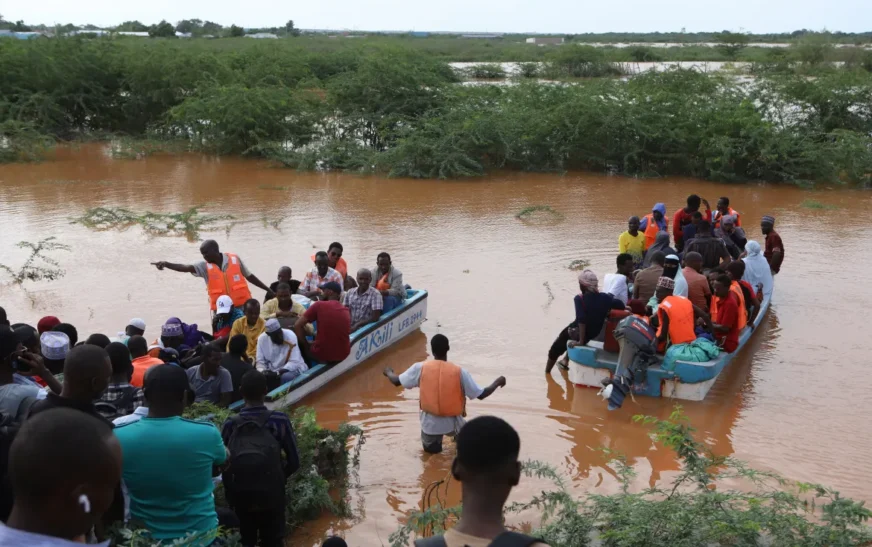
In Garissa, where riverine flooding has claimed lives in past seasons, local authorities are mobilizing dhows for evacuations and stockpiling sandbags. “This rain is a double-edged sword—vital for our camels and crops, but one wrong step in a flash flood means tragedy,” said Amina Hassan, a herder from Wajir. The KMD attributes the pattern to a strengthening Indian Ocean Dipole, drawing moisture northward.
Nationwide, over 20 counties are on alert, but North-Eastern residents face unique perils: collapsed boreholes from soil erosion and heightened risks for nomadic herders crossing swollen seasonal rivers. Safety officials urge avoiding floodwaters—even six inches can sweep away vehicles—and steering clear of trees and open scrub during storms to dodge lightning strikes. Landslide-prone escarpments in nearby Isiolo add to the hazards.
As the short rains unfold, agricultural optimism tempers flood fears. Maize and sorghum farmers in the North-East eye bumper yields, but preparedness is key. The government has activated early warning systems via SMS alerts, urging families to elevate valuables and monitor radio updates.