
Regional leaders have renewed calls for inclusive political dialogue in Somalia, saying lasting security depends on resolving the country’s political differences as military operations against Al-Shabaab continue with the backing of African Union forces.
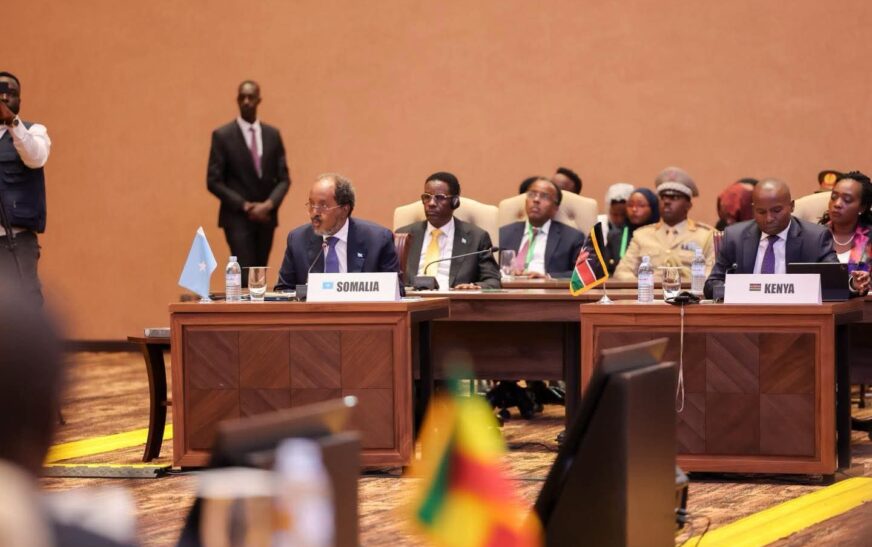
The appeal was made during the extraordinary summit of troop-contributing countries to the African Union Support and Stabilisation Mission in Somalia (AUSSOM), held in Kampala, Uganda, from July 29 to 31.
The meeting brought together leaders and representatives from countries contributing troops to the mission, including Uganda, Kenya, Ethiopia, Djibouti and Burundi, to review Somalia’s security situation and the future of regional support.
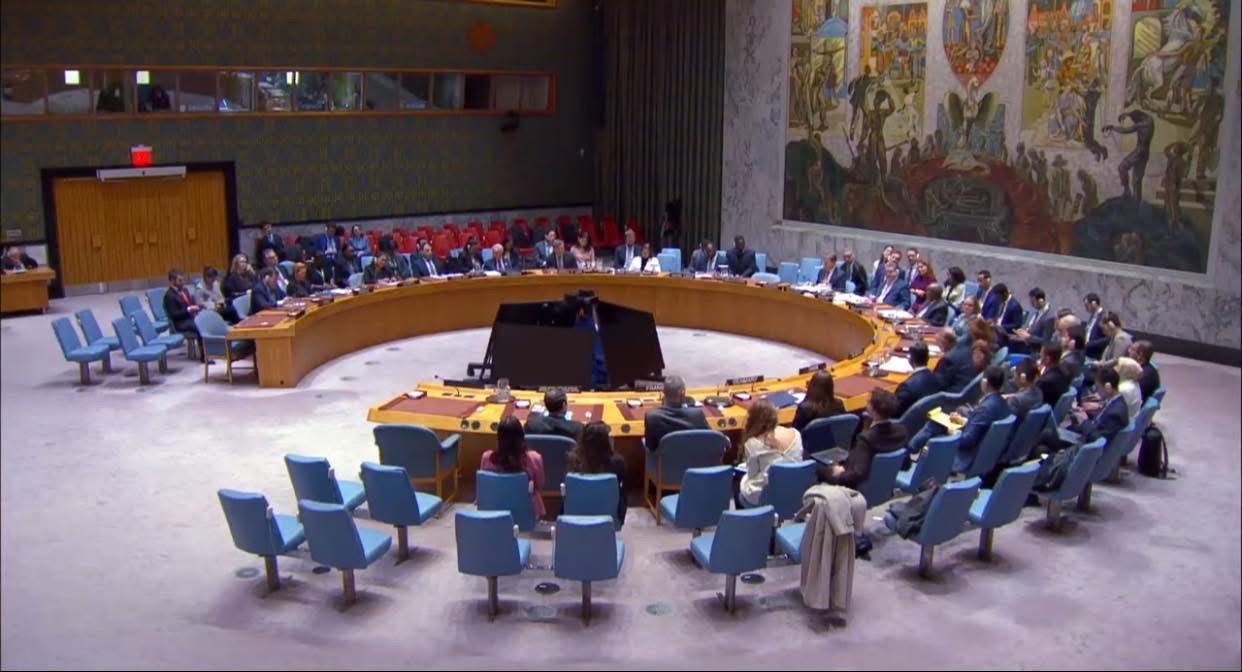
The summit’s final communiqué urged Somalia’s political stakeholders to engage in broad-based dialogue to address outstanding governance and constitutional issues, describing political consensus as essential to sustaining gains made against the Al-Shabaab insurgency.
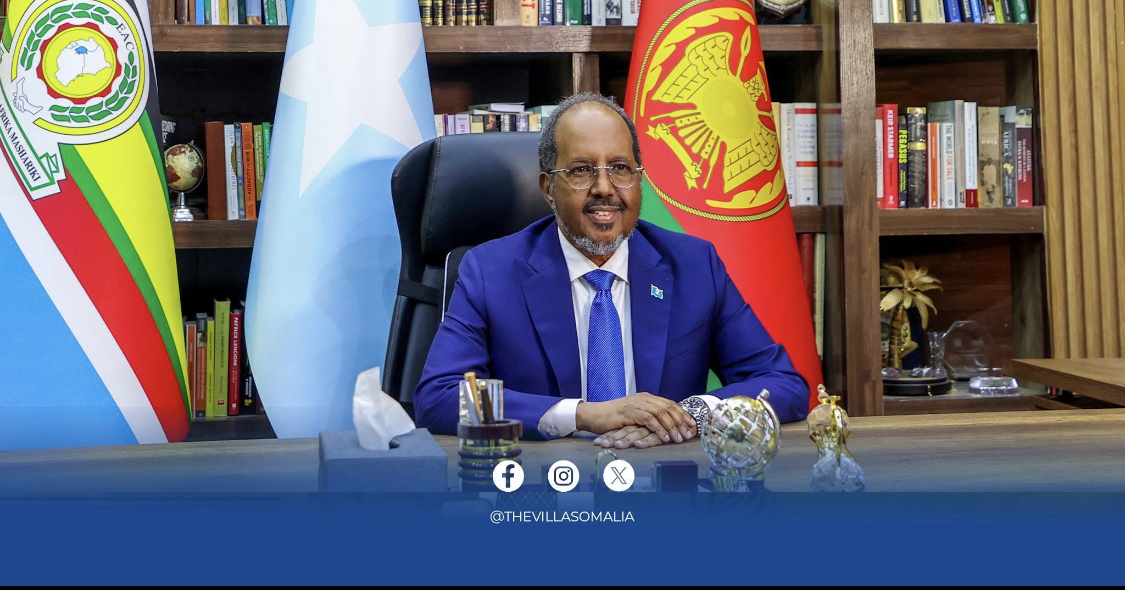
President Hassan Sheikh Mohamud reportedly opposed the inclusion of the recommendation, arguing that domestic political matters should not form part of the conclusions of a security-focused meeting. However, the call for dialogue remained in the final communiqué.
The development comes as Somalia continues to rely heavily on AUSSOM forces in its campaign against Al-Shabaab. The African Union mission has played a central role in supporting Somali security forces through military operations, logistics and capacity-building efforts.
Regional governments have increasingly argued that military progress alone will not guarantee long-term stability unless accompanied by political reconciliation and cooperation among Somalia’s federal institutions, federal member states and opposition groups.
Political tensions have persisted in recent months following constitutional amendments extending the terms of the presidency and parliament from four years to five years, moving the next elections to May 2027. Opposition leaders have questioned the changes, saying they require broader national consultation and consensus.
Several mediation efforts have failed to bridge differences between the federal government and opposition groups, leaving key political disputes unresolved.
The Kampala meeting also took place against the backdrop of continued uncertainty over long-term financing for AUSSOM. International partners are exploring sustainable funding mechanisms for the mission while emphasising the need for stronger governance and inclusive political processes to complement security operations.
Analysts say the outcome of the summit reflects a growing consensus among Somalia’s regional partners that political dialogue and security cooperation are closely linked. They argue that resolving political disagreements could strengthen state institutions, improve public confidence and reinforce ongoing efforts to combat violent extremism.
The recommendations adopted in Kampala underscore the view of troop-contributing countries that military support and political engagement must advance together if Somalia is to achieve lasting peace and stability.