
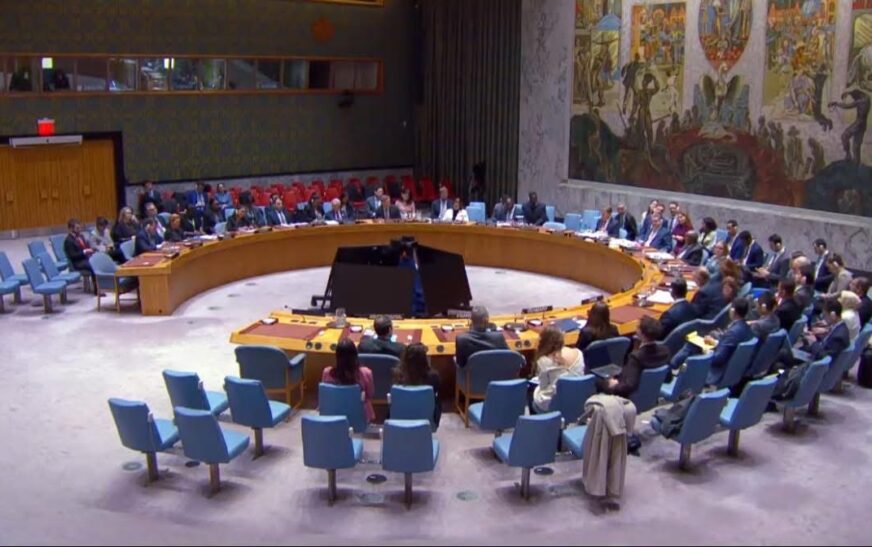
NEW YORK — In an emergency session on December 29, 2025, the United Nations Security Council unanimously condemned Israel’s recent recognition of Somaliland as an independent sovereign state, reaffirming strong support for Somalia’s territorial integrity and unity.
The move follows Israel’s announcement on December 26, when Prime Minister Benjamin Netanyahu signed a joint declaration with Somaliland President Abdirahman Mohamed Abdullahi, marking Israel as the first UN member state to formally recognize the breakaway region. Netanyahu described the decision as “in the spirit of the Abraham Accords,” pledging cooperation in agriculture, health, technology, and economy.
Somaliland unilaterally declared independence from Somalia in 1991 amid civil war after the collapse of Siad Barre’s regime. While it has functioned as a stable de facto state with its own government, currency, and elections, no UN member had previously granted formal recognition, adhering to the African Union’s stance on Somalia’s sovereignty.
Somalia’s President Hassan Sheikh Mohamud called the Israeli action a “direct and grave threat to international peace and security,” warning it violates the UN Charter and could link to alleged plans for Palestinian relocation.
The US Deputy Representative Tammy Bruce stated: “We have no announcement to make regarding the recognition of Somaliland, and there has been no change in US policy,” emphasizing continued recognition of Somalia’s territorial integrity.
Russia’s representative reaffirmed “full support for Somalia’s sovereignty and unity,” viewing the move as undermining regional stability.
China echoed this, stressing respect for “territorial integrity of all nations, including Somalia.”
France urged “meaningful dialogue” between Mogadishu and Hargeisa while upholding Somalia’s unity.
The UK similarly supported Somalia’s integrity, calling for calm.
The resolution calls for protecting Somalia’s sovereignty, with widespread international condemnation from the African Union, Arab League, and others highlighting risks to Horn of Africa peace.